
For about a year now, I have been working professionally on developing AI agents for the pharmaceutical sector in Germany. During that time I have gained experience both on the technical side and in how these systems behave in a real business environment. In the following lines, I will share my observations on this technology.
The positives are undeniable. For businesses whose phones ring every 2–3 minutes, the relief was almost immediate. One of the clients with the highest call volumes registers several thousand calls per month. The exact figures are confidential, but to give you an idea, the number is closer to 10,000 than to 1,000. Such volumes are entirely in line with the dynamics of the German economy.
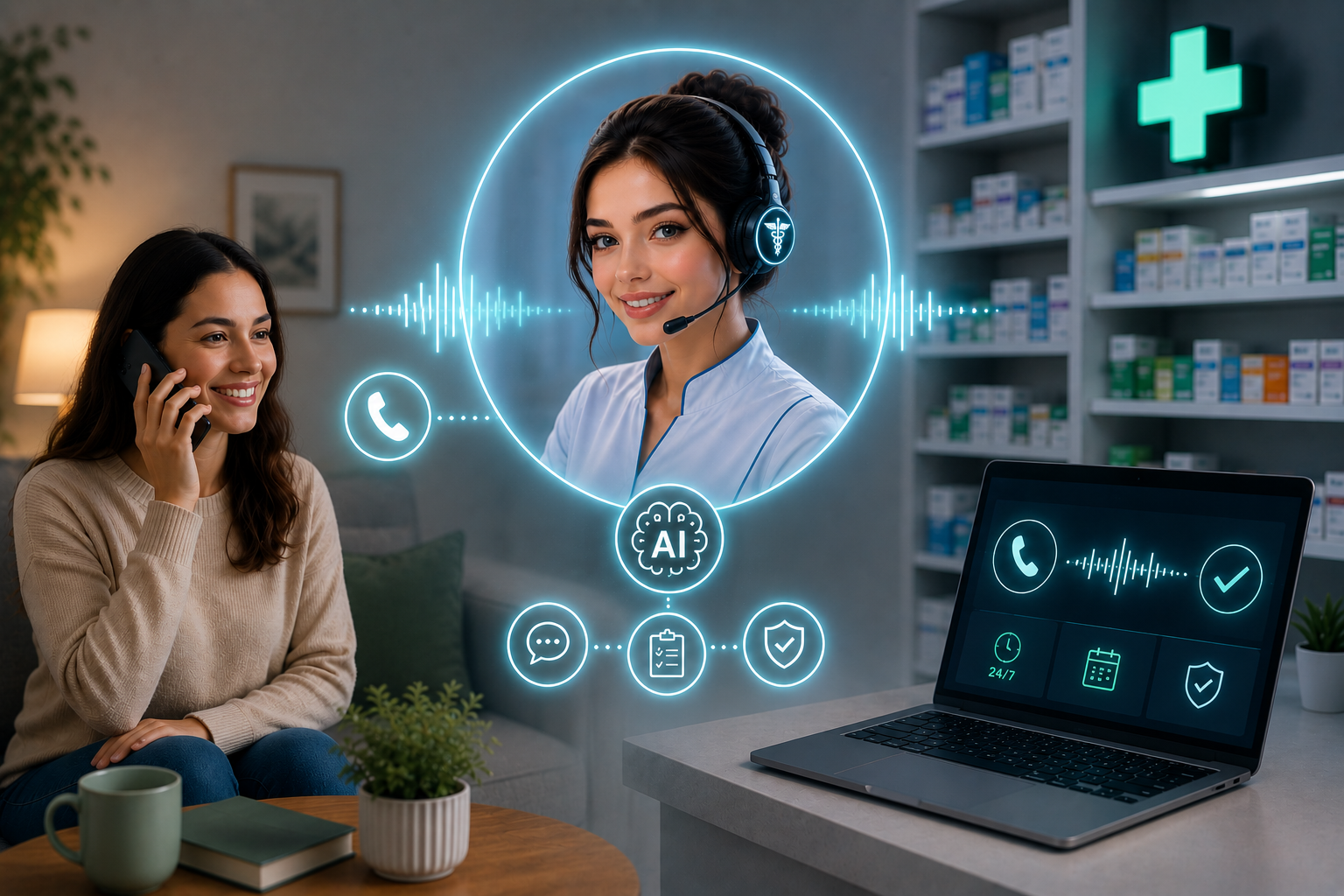
The real cost savings must also be taken into account. Pharmacies can redirect their highly paid staff to higher-value activities, instead of using pharmacists as phone operators. At the same time, businesses gain an ordering channel that works around the clock. This increases their turnover and, in turn, their profits. From a technical point of view, my team managed to develop and deploy the agent in the first 10 pharmacies within two months.
Today, more than 200 businesses, some with 2 to 4 locations, use the solution.
The AI agent can process orders, provide information about medications, and even fulfil prescriptions, which is a complex process similar to our electronic prescriptions.
Of course, there are also obstacles. AI models are still not mature enough to reliably handle multidisciplinary or multi-component cases. During development it became clear that demo projects on the internet often look impressive and almost flawless, but only in a demo environment. Real business conditions pose significantly more challenges for AI phone agents — some of which we are still looking for ways to solve.
Among these challenges are response delays, the artificial sound of the voice, hallucinations, adapting different models to a specific process and, last but not least, patients' distrust of the new technology. There is certainly a purely psychological difference between hearing a human voice with empathy and talking to the artificial voice of an AI agent.
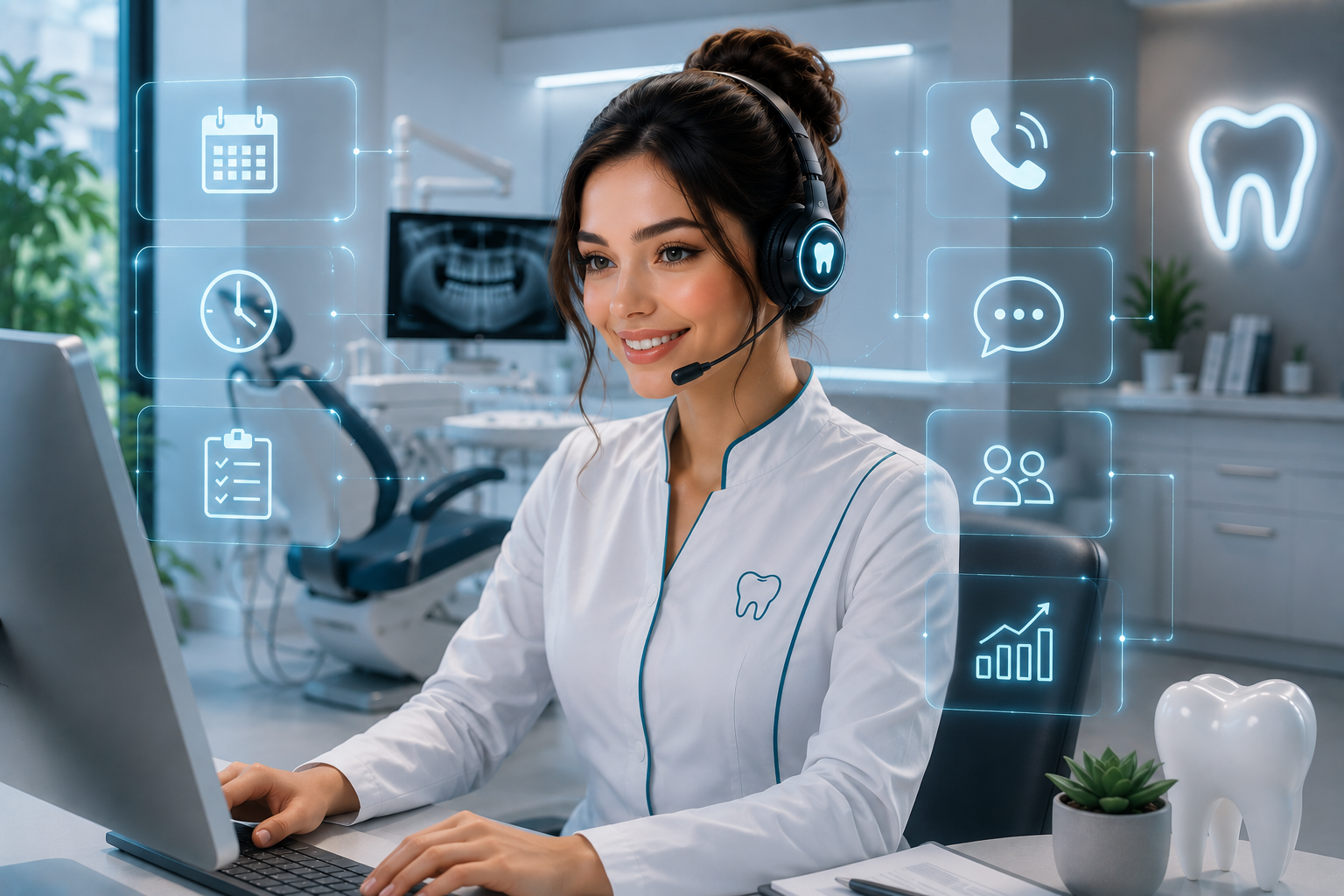
As for the use of AI phone agents in dental medicine — they definitely have a place. To be successful, however, several important conditions must be met in advance. First and foremost, the agent must not exist for its own sake. It must be able to integrate with the clinic's existing software. This is what enables it to read the schedule, send reminders, answer questions, and perform other tasks that bring real added value.
Individually developed phone agents would be more successful. The reason is that the digital landscape of dental clinics in Bulgaria is too diverse for a single universal solution to work equally well everywhere. And with technologies like these, it is key that they work well from day one. Only then can they win and keep the trust of both patients and staff. From experience, I see that mistakes at the beginning often create doubt and distrust that are very hard to overcome later — even when the agent has objectively improved significantly.
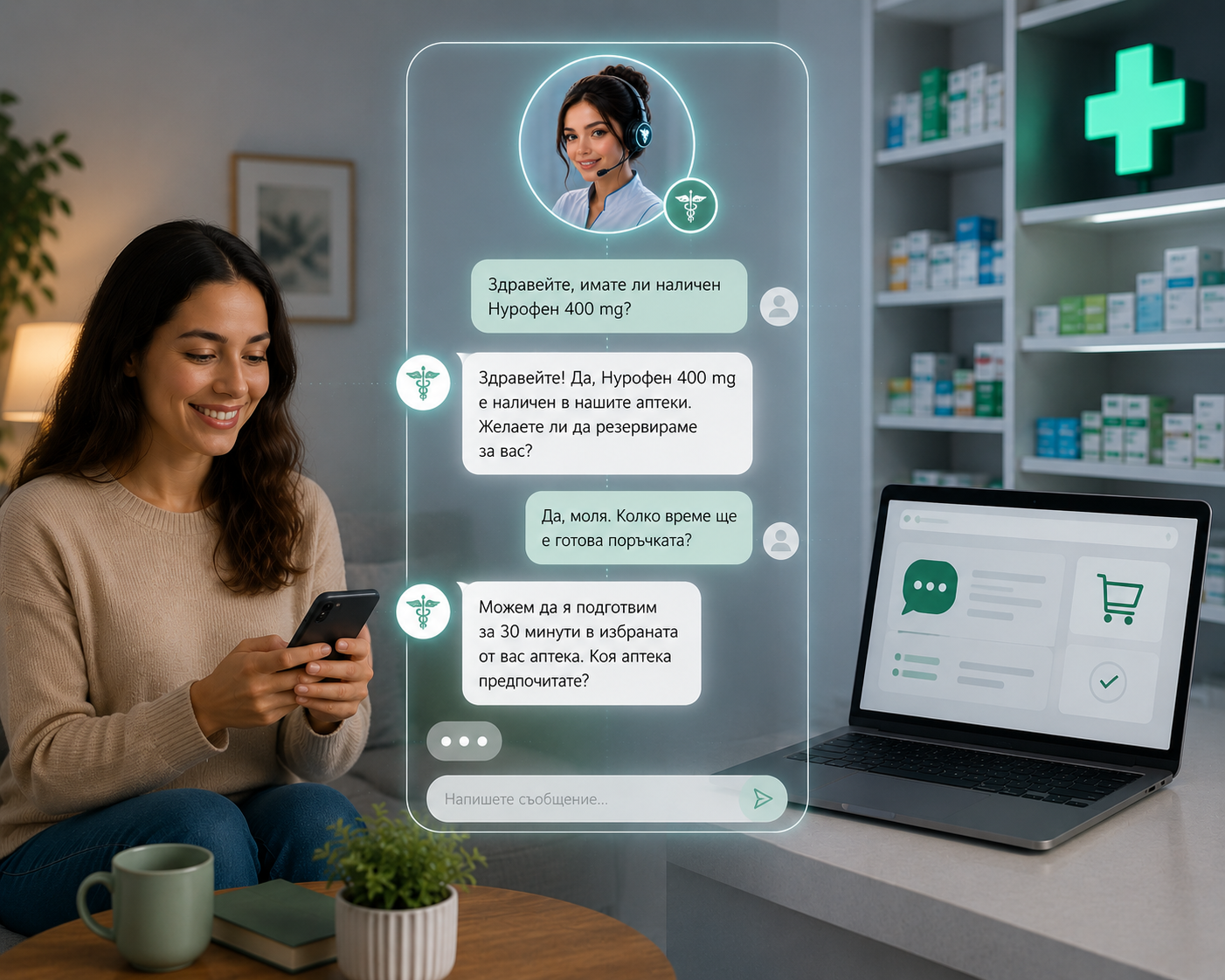
In conclusion, AI phone agents make sense and represent a technology that is developing extremely fast. Chat agents are currently even more reliable, since they eliminate the voice and all the complications that come with it. But they have their limitations too. For example, a chat agent cannot make reminder calls for an appointment — something a voice agent handles well. With both options, however, upfront planning, testing, and adaptation to the specific business environment are key. Only then can the technology live up to expectations and deliver real added value.